Agentic Web 2026
Reflecting on a journey that began with coding static pages in my childhood, I explore the profound evolution of the web into the 'Agentic' era. In 2026, websites are no longer mere destinations—they are intelligent, autonomous entities that anticipate intent and redefine global commerce.
Category:
Agentic Web
Author:
Emre Şanlı
Read:
5 mins
Location:
Istanbul
Date:
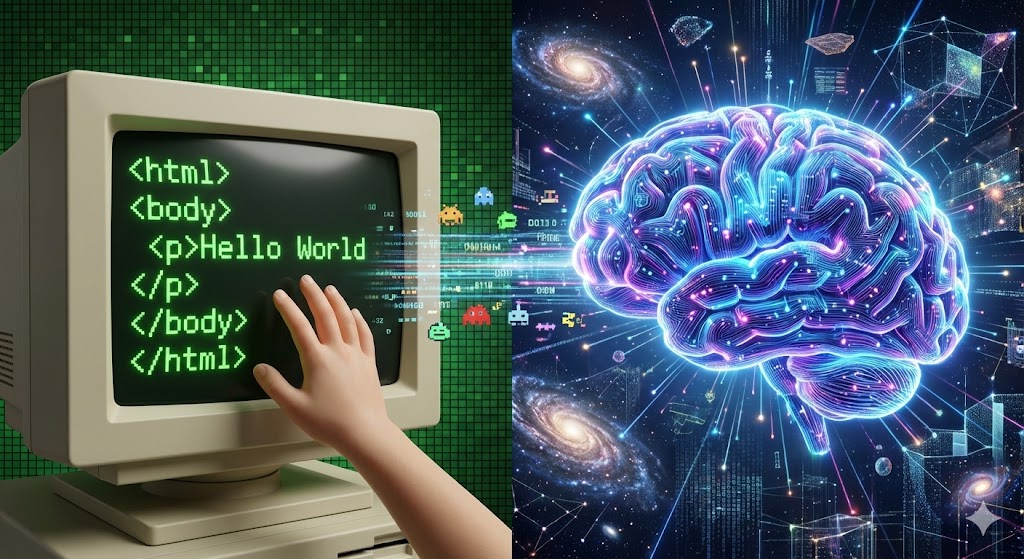


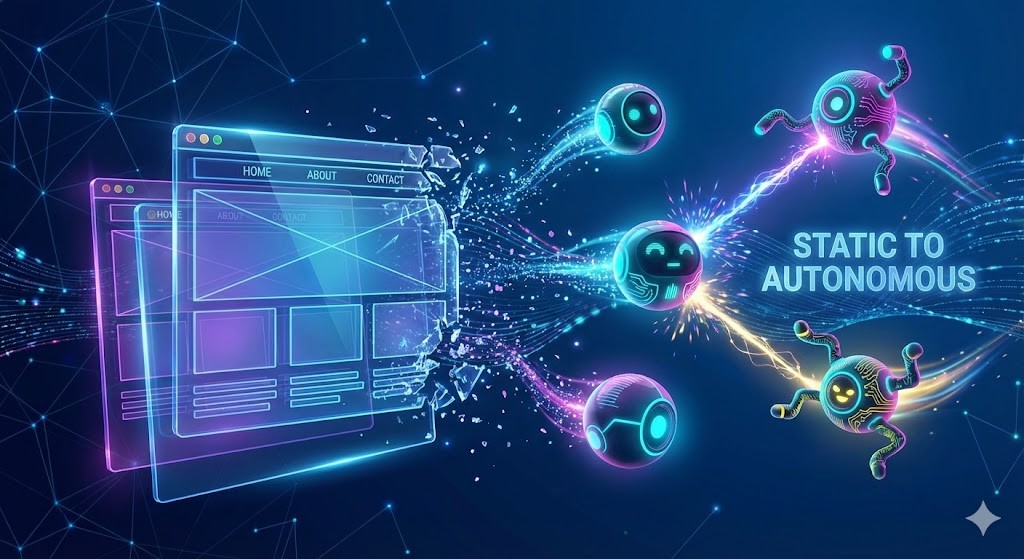
A Lifelong Journey in Web Architecture: Bridging the Gap Between Static Pages and Agentic Intelligence.
My fascination with the web began in my early years, during an era when a website was essentially a static digital library. Having built my first sites as a child, I have witnessed every major tectonic shift in digital history—from the birth of responsive design to the explosion of mobile-first ecosystems. However, as we move through 2026, we are experiencing the most radical transformation yet: the transition from "Consumer-Facing" interfaces to "Agent-Driven" ecosystems. The websites of 2026 are no longer passive stages for information; they are living, thinking entities. Drawing from my experience in leading the "AI-First" transformation for a market-leading brand like Dynavit, I have seen how the traditional concept of a user journey is being replaced by autonomous orchestration. Today’s web architecture must be built not just for speed, but for cognitive response. We are moving beyond the limitations of standard e-commerce templates toward global, headless architectures—leveraging the power of Shopify’s AI-native tools and advanced LLM integrations—to create interfaces that don't just react to clicks, but understand and execute human intent with absolute precision.
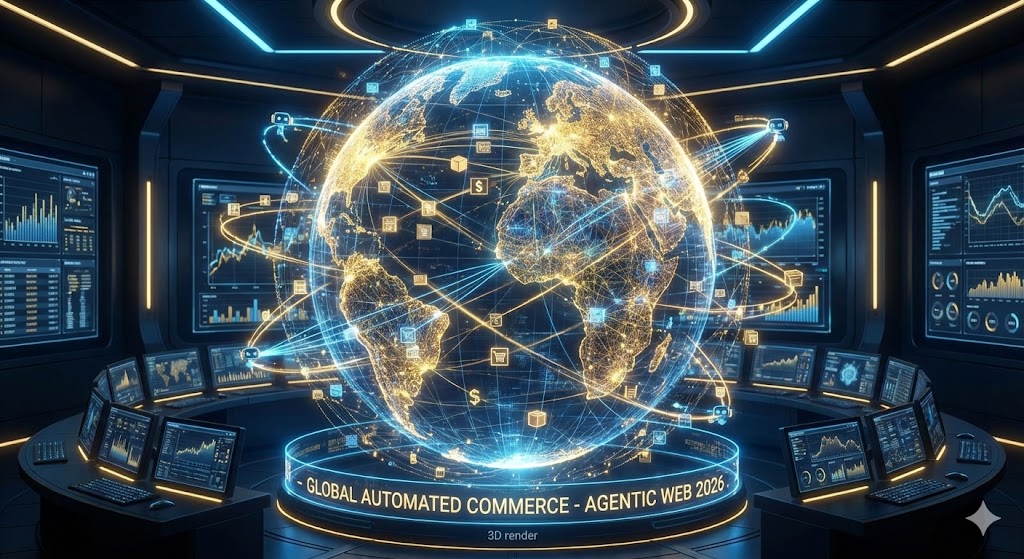
Beyond the Monolith: Architecting Web Ecosystems as Operating Systems for AI Agents.
The structural evolution of the web in 2026 is defined by a fundamental decoupling of the front-end experience from the back-end logic. We have moved firmly into the era of Headless Commerce and API-First architectures, where the website functions as an operating system for specialized AI agents. Unlike the rigid, monolithic systems of the past, modern enterprise stacks—leveraging global standards such as Shopify Plus or custom headless solutions—provide the modularity required for deep Agentic integration. In this new landscape, the traditional 'purchase funnel' has been replaced by the Autonomous Customer Journey. Agents are no longer external add-ons; they are embedded within the core infrastructure. They manage everything from real-time dynamic pricing and predictive inventory allocation to hyper-personalized interaction layers that adapt before a user even articulates a need. To build for 2026 means moving toward "Cognitive Commerce"—where the infrastructure doesn't just display products but actively orchestrates the entire value exchange through algorithmic intelligence and seamless API connectivity.
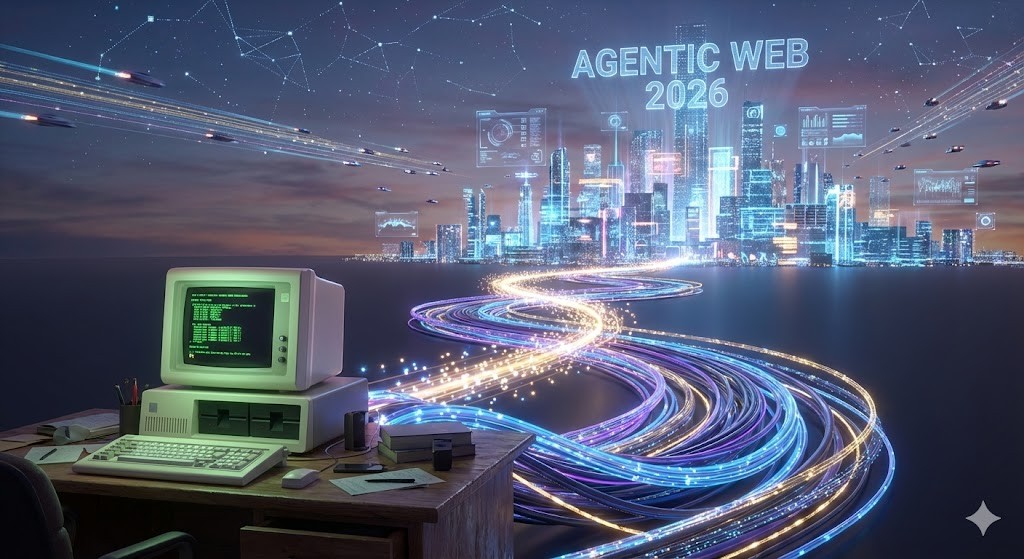


From Tracking to Predicting: The Future of Autonomous Digital Ecosystems.
Reflecting on a journey that began with coding simple static pages, it is clear that we have entered an era where we are no longer just building websites; we are building intelligence. The shift toward an Agentic Web in 2026 demands a fundamental change in mindset: AI must be treated not as a peripheral tool, but as the core decision engine of the entire architecture. My work with frameworks like InsightBlend AI has demonstrated that when we move beyond traditional metrics and embrace predictive modeling, we unlock a new level of sustainable profitability and market leadership. To build for the future is to embrace this cognitive shift—architecting digital ecosystems that are faster, smarter, and more autonomous, while remaining fundamentally aligned with human intent. The web of 2026 is an active partner in commerce, and the infrastructure we build today will define the competitive landscape of tomorrow.